
Company Formation in Saudi Arabia

Printing & Publishing License Saudi Arabia | Setup Guide

Printing & Publishing License Saudi Arabia | Setup Guide

Saudi Arabia’s publishing landscape now sits at the intersection of culture, commerce, education, and digital media. For entrepreneurs, publishers, print operators, and international media companies, the opportunity is significant, but the licensing route depends heavily on what the business will actually do. Understanding the activity scope before registration can prevent delays, amendments, and unnecessary setup costs.

What Does a Printing and Publishing License Cover?

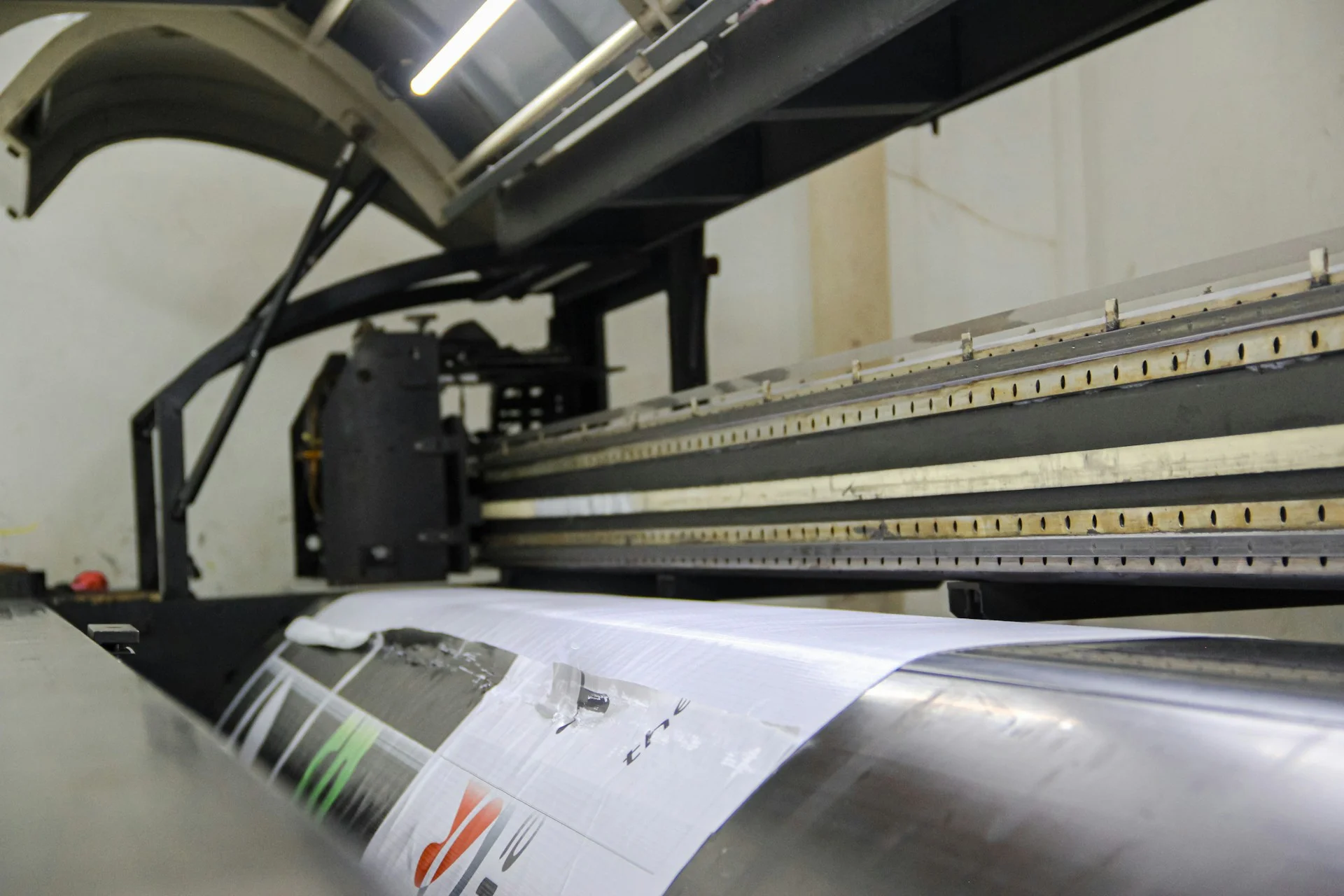
The first point to understand is that “printing and publishing” is not always treated as one single activity. Saudi Arabia’s General Authority of Media Regulation provides separate licensing services for activities such as printing, pre-press preparation, book publishing, electronic publishing, and certain distribution activities.

This makes activity selection an important part of Saudi business licensing. A company operating a commercial printing press may need a different approval from a business that publishes books, produces digital publications, or provides design and pre-press services.

The practical lesson is simple: define the revenue-generating activity first, then build the licensing structure around it.

Where Are the Commercial Opportunities?

Saudi Arabia has an active and expanding publishing ecosystem serving education, corporate communications, culture, entertainment, retail, and digital audiences. In June 2026, Arab News reported that the Kingdom’s publishing and translated-books sector was valued at around SAR 4.5 billion.

For businesses considering business setup in Saudi Arabia, possible use cases include book publishing, commercial printing, educational materials, catalogues, branded publications, corporate reports, packaging-related print work, pre-press production, and electronic publishing, subject to the activity stated on the relevant registrations and approvals.

A publisher, printer, and digital content business may therefore look similar commercially, but their regulatory requirements can differ.

Why Your Commercial Registration Activity Matters

Saudi media licensing services commonly require the company’s commercial registration to include the relevant media activity. This means the setup should not be approached as “form the company first and fix the activity later.”

For Commercial Registration in Saudi Arabia, the selected business activities should align with the actual services the company plans to invoice for and the sector approval it expects to obtain. If the CR and media licence do not reflect the same operating model, amendments may be required before the business can proceed.

This is particularly important for companies planning several related activities, such as printing plus publishing, or physical publishing plus digital distribution.

Setup Notes for Foreign Investors

International companies should also consider the investment-registration layer before focusing only on the media approval. Under Saudi Arabia’s updated investment framework, a foreign investor must generally complete registration with the Ministry of Investment before establishing the Commercial Registration and obtaining required sector licences.

The process of foreign company setup in Saudi Arabia may involve multiple authorities rather than one standalone printing and publishing application. The ownership structure, exact activity, legal form, existing overseas company documents, and whether the activity is open or subject to specific conditions can all affect the route.

The correct sequence matters because a media approval cannot substitute for the company establishment steps that make the Saudi entity legally operational.

What Should You Prepare Before Applying?

A smoother application starts with a clear activity map. Identify what you will produce, whether you will own printing equipment, whether publishing will be physical or electronic, whether you will distribute publications, and which services customers will pay you for.

Depending on the structure, government registrations in Saudi Arabia can include Investment Registration for qualifying foreign investors, Commercial Registration, national address requirements, and the applicable media-sector licence. Additional registrations may follow as the company becomes operational.

Businesses should also prepare their corporate documents carefully, particularly when overseas documents require authentication or when the applicant is part of an international group.

Compliance Continues After the License

Obtaining the licence is the start of the operating phase, not the end of compliance. Businesses must continue to follow the rules attached to their licensed activity, keep registrations current, and ensure that operational changes are reflected in their records where required.

If the company hires employees, Saudization compliance and wider labour obligations may also become part of the operating model. The same applies to tax, payroll, banking, premises, and other requirements that sit outside the media licence itself.

This is why founders should budget for the full operating structure, not only the initial licensing fee or company registration cost.

Set Up Your Saudi Printing or Publishing Business with Creative Zone

The most efficient route begins with getting the scope right. At Creative Zone Saudi Arabia, our experts help entrepreneurs and international companies map their activities, choose the appropriate setup structure, coordinate licensing and registration requirements, and prepare for the operational steps that follow.

Whether your Saudi market entry involves a printing business, publishing house, digital publishing activity, or a broader media venture, we can help you understand the sequence and reduce avoidable setup friction. Contact our team for tailored guidance on establishing your printing and publishing business in Saudi Arabia.

Company Formation in Saudi Arabia

Saudization Basics for New Companies in Saudi Arabia

Saudization Basics for New Companies in Saudi Arabia

Saudization should be considered before your first employment offer is issued, not after your team is already in place. For new companies entering Saudi Arabia, early workforce planning can influence hiring flexibility, access to labour services, operating costs, and the speed at which the business can scale.

Saudization Is a Business Planning Requirement

Saudization compliance refers to the obligation for private-sector employers to maintain an appropriate level of Saudi national employment. The required level is not identical for every company. It can depend on the establishment’s registered activity, workforce size, employee mix, and whether particular job categories are subject to separate localisation rules.

This is becoming increasingly important. The Ministry of Human Resources and Social Development launched a new phase of the Nitaqat Mutawar Program, beginning in 2026 and running for three years, with the aim of localising more than 340,000 additional private-sector jobs.

For founders, the practical message is clear. Your hiring model should be tested against Saudization requirements before recruitment begins.

Nitaqat Is Not a Single Fixed Percentage

Many new investors assume there is one national quota that applies to every employer. In practice, Nitaqat compliance is more specific.

Nitaqat classifies establishments according to their workforce nationalisation performance. Your classification is calculated using factors connected to your economic activity and workforce structure. Higher-performing establishments may have better access to certain labour-related services, while weaker classifications can restrict activities such as obtaining or renewing work permits and accessing recruitment capacity.

A company should therefore avoid relying on a general percentage found online. The relevant target should be checked against the establishment’s actual registration details and current workforce plan, using official Qiwa information and tools.

Your Activity and Job Titles Shape the Rules

Good employee management planning in Saudi Arabia starts with accurate activity and occupation selection.

Saudi Arabia applies both establishment-level Nitaqat requirements and profession-specific Saudization decisions. Certain roles in areas such as marketing, sales, procurement, engineering, tourism, and administrative support may be subject to separate targets, salary thresholds, headcount triggers, or professional accreditation requirements.

This means a company can appear well structured at a general workforce level but still create a compliance issue by assigning the wrong occupation, hiring into a restricted role, or overlooking a profession-specific decision.

Before issuing offers, review what each employee will actually do, which occupation code should be used, and whether that role is open to a non-Saudi employee.

Start Hiring Plans Before You Need Work Permits

Your approach to visa services in Saudi Arabia should be connected to your Saudization plan from the beginning.

A common mistake is to build an expatriate-heavy organisational chart, then discover that the establishment’s Nitaqat position does not support the required number of work visas or employee transfers. This can delay onboarding and force urgent changes to the hiring plan.

A better approach is to map the first 12 to 18 months of recruitment. Identify which positions should be filled by Saudi nationals, which positions require international expertise, and when each employee will be needed. This gives the business time to recruit properly instead of treating localisation as a last-minute administrative task.

Keep Qiwa, GOSI, and Payroll Records Aligned

Correct GOSI registration is only one part of ensuring that a Saudi employee is recognised for workforce nationalisation purposes.

From 15 April 2026, Saudi employees must have electronically documented employment contracts through Qiwa to be included in Nitaqat calculations. Companies should also make sure that contract information, registered wages, job titles, start dates, and payroll records are consistent across the relevant systems.

A genuine hire can fail to support the company’s classification if records are incomplete, outdated, or inconsistent. New employers should establish clear onboarding checks and review their Qiwa status regularly, particularly before applying for visas, renewing work permits, or expanding headcount.

Budget for Local Talent, Not Just Headcount

Reliable payroll services planning in Saudi Arabia should account for the full cost of building and retaining a capable local team.

Saudization is not simply about adding names to payroll. Businesses need suitable roles, competitive salaries, documented responsibilities, training, career development, and effective management. Profession-specific decisions may also introduce minimum salary conditions for an employee to count towards the required percentage.

Budgeting early allows the company to recruit Saudi talent for meaningful positions that support operations and growth. It also reduces the risk of rushed hiring, poor retention, duplicated roles, or a workforce structure that becomes expensive to correct later.

How Creative Zone KSA Helps You Prepare

A compliant Saudi business setup should connect licensing, workforce planning, government registrations, and operational readiness from the outset.

Creative Zone Saudi Arabia helps entrepreneurs, SMEs, and international companies understand the steps involved in establishing and operating in the Kingdom. Our team can help you review your planned activity, consider early workforce requirements, coordinate key registrations, and structure a practical route from incorporation to hiring.

Planning to launch or expand in Saudi Arabia? Speak to our specialists for tailored guidance on building a company that is ready to hire, comply, and grow.

Company Formation in Saudi Arabia

Saudi Market Entry: What to Decide Before Registering

Saudi Market Entry: What to Decide Before Registering

Entering Saudi Arabia is not simply a matter of completing forms. Decisions made before incorporation determine which approvals you need, how quickly you can operate, what the company will cost to run, and whether the structure can support growth. At Creative Zone Saudi Arabia, we help founders and international companies think through these decisions before anything is registered.

Define What the Saudi Business Will Do

A strong Saudi market entry plan starts with a precise commercial model. Decide who your customers are, what you will sell, how you will deliver it, and where revenue will be generated.

A consulting firm serving corporate clients has different requirements from a trading business, technology platform, or industrial operation. You should also decide whether the Saudi entity will sell directly, support a foreign parent, manage regional activities, or bid for contracts. These choices affect activity codes, approvals, staffing, tax, banking, and premises.

Confirm Activities and Sector Approvals

Before applying for a business license in Saudi Arabia, make sure the proposed activities accurately describe how the company will earn money. A broad business-plan description may not match the official classifications used by government authorities.

Some sectors require approval from specialist regulators, including transport, real estate, media, education, healthcare, engineering, tourism, and industry. Selecting the wrong activity can restrict invoicing, delay banking, or require a later amendment. Mapping the full activity scope first is usually more efficient than correcting it after registration.

Choose the Right Legal Structure

The best structure for company formation in Saudi Arabia depends on ownership, liability, governance, and the relationship with an overseas parent.

A limited liability company can suit businesses creating a long-term local operation. A foreign company branch may be appropriate when the parent wants to operate directly in the Kingdom, but it creates a closer legal and financial connection to that parent.

Before choosing, decide who will own and manage the entity, how decisions will be approved, how profits will be distributed, and whether investors may join later.

Map the Registration Sequence and Documents

For foreign investors, Saudi company registration normally begins with investment registration through the Ministry of Investment before commercial registration and other operational approvals. Saudi Arabia’s updated investment law strengthened the registration-based framework and investor protections.

Requirements depend on the shareholder and activity. A foreign corporate shareholder may need its commercial register, constitutional documents, financial statements, board resolution, and power of attorney. Overseas documents may also require legalization and Arabic translation.

Names, ownership percentages, activities, and manager details should remain consistent across every submission. Even small inconsistencies can result in additional questions, corrections, or resubmissions.

Prepare for Banking Before Incorporation

Opening a business bank account in Saudi Arabia should be planned at the beginning, not treated as the final task.

Banks may review the ownership chain, source of funds, business model, expected customers, suppliers, transaction volumes, office arrangements, and authorized signatories.

Prepare a clear business plan, ownership chart, financial projections, contracts or letters of intent, and evidence of the parent company’s operations where relevant. The structure, licensed activities, capital plan, and payment flows should tell one consistent commercial story.

Build the Tax and Finance Model Early

Planning tax services in Saudi Arabia before launch helps owners understand operating costs and prevents accounting gaps after transactions begin.

Income tax rules can apply to shares held by non-Saudi partners, while VAT registration becomes mandatory when taxable supplies exceed SAR 375,000. Businesses should also assess withholding tax, transfer pricing, cross-border charges, customs exposure, and invoicing requirements.

Choose the financial year, accounting policies, chart of accounts, and approval process before the first invoice. A clean finance framework makes tax filings, audits, reporting, and bank reviews easier.

Design the Workforce Plan Around Compliance

Your hiring strategy should account for Saudization compliance from the start. Decide which positions must be based locally, which roles will be filled by Saudi nationals, which employees require work authorization, and when each person needs to join.

The Nitaqat program connects workforce localization with an establishment’s classification and access to labor services. Budget for salaries, recruitment, visas, work permits, medical insurance, payroll, and social insurance. Employment contracts, Qiwa processes, and GOSI registration should be built into the launch timeline.

Assign Ownership of Ongoing Obligations

Reliable GRO services in Saudi Arabia can help keep the company compliant after incorporation. Registration is the beginning of an operating cycle, not the end.

Commercial register information must be kept current and confirmed annually. Sector licenses, employee records, residency documents, tax registrations, addresses, and corporate records may also require updates.

Assign responsibility for each obligation, create a compliance calendar, and keep authorized signatories available for approvals. This helps prevent avoidable delays when hiring employees, renewing documents, changing activities, or completing transactions.

Build Your Saudi Entry Plan With Creative Zone

A successful business setup in Saudi Arabia begins with the right decisions before the first application. Creative Zone Saudi Arabia helps entrepreneurs and international companies assess activities, structures, licensing routes, documentation, government registrations, banking readiness, employee requirements, and ongoing compliance.

Our team provides coordinated support from initial planning through incorporation and operational launch. Book a free consultation to create a market-entry plan aligned with your commercial goals and long-term growth in the Kingdom.

Company Formation in Saudi Arabia

Saudi Bank Credit Growth: Get Your Business Bank-Ready

Saudi Bank Credit Growth: Get Your Business Bank-Ready

Saudi Arabia’s banking sector keeps expanding. Total bank credit rose 7.3 percent year on year in June 2026, reaching SR3.42 trillion, while deposits climbed 8.9 percent to SR3.13 trillion. For founders and international companies planning a Saudi launch, this is more than a macroeconomic headline. It signals a system with real capacity to finance new businesses, provided those businesses arrive properly structured and documented. At Creative Zone Saudi Arabia, we help founders get their company bank-ready from day one.

What the 7.3% Credit Growth Really Means

According to data from the Saudi Central Bank, total bank credit extended to the public and private sectors reached SR3.42 trillion by the end of June 2026, up 7.3 percent from a year earlier. Broad money supply (M3) rose 8.4 percent to SR3.38 trillion over the same period.

Deposit growth outpaced credit growth, with total bank deposits rising 8.9 percent to SR3.13 trillion. That combination points to a banking sector with liquidity to spare, and an appetite to deploy it into new lending relationships.

For a founder evaluating Saudi market entry, this matters practically. Working capital lines, trade finance, and overdraft facilities become easier to secure when the underlying banking system has room to lend, not just when a business plan looks sound on paper.

Where the Growth Is Coming From

Private sector lending has been the main driver, reaching SR3.2 trillion in May 2026, an increase of 6.6 percent year on year. This growth has come with disciplined underwriting: the banking sector’s non-performing loan ratio sits at just 1.1 percent, alongside a loan-to-deposit ratio of 79 percent.

Specialized institutions are reinforcing the trend from other angles. Saudi EXIM Bank grew its credit facilities to non-oil exporters by 17.2 percent in the first half of 2026, reaching SR27.67 billion, supporting exporters in logistics, manufacturing, and trading.

This spread, from mainstream commercial lending to sector-specific export finance, means a wide range of business models can find a banking partner suited to their activity, once they are set up to qualify for it.

Credit Growth Doesn’t Automatically Mean Approval

A strong lending environment does not remove the underwriting process. Banks still assess a company’s legal structure, ownership, licensed activity, and documentation before opening accounts or extending credit. A newly registered company with an unclear activity description or incomplete paperwork can still face delays, regardless of how liquid the sector is.

This is where bank-readiness becomes a distinct step from incorporation. It means anticipating what a bank will ask before the application is submitted, rather than reacting to requests after the fact.

Founders who treat banking as an afterthought often lose weeks to back-and-forth requests for missing documents, unclear ownership chains, or activity codes that don’t match the business’s actual operations.

Get Your Company Structure Bank-Ready

Bank-readiness starts before incorporation, with decisions on legal form, ownership, and investment registration. Whether a founder chooses a Saudi limited liability company or a branch of a foreign company, that structure determines which documents a bank will later require and how straightforward account opening will be.

Shareholder records, board resolutions, articles of association, and activity descriptions should stay consistent across every application, from investment registration through to commercial registration and banking. Inconsistencies between documents are one of the most common causes of delayed account approvals.

Getting the Saudi company registration right the first time, with activities that genuinely reflect the business, gives banks a clear, verifiable picture of what the company does and how it will use its accounts.

Prepare the Documentation Banks Actually Ask For

Beyond the commercial registration, banks typically review national address details, source of funds, expected transaction volumes, and a description of anticipated customers and suppliers. Foreign documents may need certification, attestation, and Arabic translation before they are accepted.

Founders should prepare a clear, concise explanation of the business model, revenue sources, and transaction flows in advance, rather than assembling it during the application process. Banks respond faster to applicants who can answer questions about their business without hesitation.

Keeping a single, organized document set ready, corporate documents, ownership structure, and financial projections, shortens the time between incorporation and a working corporate account.

Build Financial Credibility From Day One

Bank-readiness does not end once an account is open. Bookkeeping, invoicing, and expense documentation should begin from the company’s first transaction, giving the business a track record it can present when it later seeks credit facilities, trade finance, or expanded banking relationships.

Payroll compliance also feeds into this picture. Registering with GOSI, following wage protection requirements, and issuing compliant employment contracts all contribute to a company profile that banks and regulators can verify quickly.

Companies that maintain clean, consistent financial records tend to move faster when they later apply for additional credit, since much of the diligence banks require is already in place.

Turn Saudi Arabia’s Liquidity Into Your Business Advantage

A banking sector growing credit by 7.3 percent, with strong deposits and low non-performing loans, is well-positioned to support new business activity. The opportunity for founders is not just to register a company, but to build one that banks can approve and support without friction.

Creative Zone provides end-to-end Saudi business setup assistance, including structure selection, investment registration, licensing, commercial registration, GRO services, employee management, visas, payroll support, and corporate banking assistance. We coordinate the process around your activity and growth plans, helping your company move from incorporation to a fully bank-ready business.

Contact Creative Zone Saudi Arabia to discuss your plans and get your business ready to benefit from the Kingdom’s growing credit environment.

Company Formation in Saudi Arabia

71,000+ Saudi Business Registrations | Creative Zone

71,000+ Saudi Business Registrations | Creative Zone

Saudi Arabia’s business landscape is expanding quickly. More than 71,000 new commercial registrations were issued in Q2 2026, taking active registrations beyond 1.91 million. For entrepreneurs and international companies, the message is clear: opportunities are growing, but entering with the right structure, licenses, and operational plan matters more than simply moving fast. At Creative Zone Saudi Arabia, we help founders turn that momentum into a compliant, operational company.

What 71,000 New Registrations Really Signal

The Q2 figure reflects stronger private-sector participation, company creation, and investor activity across the Kingdom. The Ministry of Commerce also reported that active commercial registrations increased by 12 percent year on year to 1,918,512.

Saudi Arabia has advanced in international indicators covering legislative support for company formation, equality of economic opportunity, and large-company efficiency.

For businesses considering entry into the Saudi market, this momentum is driving demand for technology, professional services, logistics, staffing, marketing, finance, and other business-to-business solutions. A larger commercial base also creates more potential customers, suppliers, and partners. However, stronger activity brings more competition, so founders need a clear market position and a realistic route to revenue.

Growth Is Spreading Across High-Potential Sectors

The opportunities are not limited to one industry. Q2 data showed active registrations rising by 33 percent in artificial intelligence, 42 percent in cloud computing, and 23 percent in e-commerce. Tourism activities, hotels, and logistics also recorded strong growth.

For founders planning to start a business in Saudi Arabia, these trends should inform the setup strategy. A technology consultancy may follow a different approval pathway from a logistics operator, travel company, industrial business, or online retailer. Choosing an activity that does not match the actual business model can create problems with licensing, banking, hiring, invoicing, and expansion.

The goal is not simply to enter a growing sector. It is to define the customers you will serve, the value you will offer, and the licensed activities needed to deliver it.

Choose the Right Route Before Incorporation

Foreign founders often begin by searching for a MISA license. Under the updated Investment Law, the framework now centers on investment registration with the Ministry of Investment before a foreign investor obtains a Commercial Registration and any required sector approvals.

The appropriate route depends on ownership, activity, legal form, and long-term plans. An investor may consider a Saudi limited liability company, a foreign company branch, or another permitted structure. The decision should account for governance, liability, contracting requirements, capital, tax, staffing, and future shareholder changes.

Early advice is valuable because restructuring after incorporation can require additional approvals, documents, time, and cost.

Registration Is Only the Starting Point

A successful Saudi company registration creates the legal entity, but the business still needs the foundations required to operate. Depending on its activity, this can include an official business address, municipal or sector approvals, tax registration, Chamber activation, employment portals, and a corporate bank account.

Foreign documents may require certification, attestation, and Arabic translation. Shareholder records, board resolutions, articles of association, financial statements, and activity descriptions should remain consistent across applications.

Banking should also be planned early. Banks may review ownership, source of funds, expected transactions, customers, suppliers, and the account’s commercial purpose. A complete business profile can reduce avoidable delays.

Build Compliance Into Daily Operations

Hiring introduces responsibilities beyond visa issuance. Companies may need to activate labor and immigration platforms, complete GOSI registration, issue compliant contracts, manage work permits and iqamas, process payroll, and follow wage protection requirements.

Founders should plan job titles, salary structures, visa eligibility, employee classifications, insurance, and renewal costs before recruitment. They should also establish bookkeeping, invoicing, payroll records, expense documentation, and filing calendars from the first transaction.

Treating these areas as part of the launch plan helps prevent operational gaps and gives management better visibility over cash flow, costs, and regulatory deadlines.

Plan Local Hiring for Sustainable Growth

Saudi Arabia’s employment framework is designed to increase participation by Saudi nationals. Saudization compliance should therefore be treated as a workforce strategy, not a last-minute administrative task.

Requirements can vary according to activity, company size, professional categories, and Nitaqat classification. Employers should understand which roles are localized and how their hiring mix may affect visas and access to government services.

Businesses that plan recruitment early can expand more smoothly, build stronger local teams, and gain market knowledge that supports customer relationships.

Make Your Business One of Saudi Arabia’s Next Success Stories

The Q2 numbers show that thousands of entrepreneurs and companies are already acting on the Kingdom’s growth. The next step is turning that momentum into a compliant and commercially practical launch.

Creative Zone provides end-to-end Saudi business setup assistance, including structure selection, investment registration, licensing, commercial registration, GRO services, employee management, visas, payroll support, and corporate banking assistance. We coordinate the process around your activity and growth plans, helping you move from market interest to an operational company.

Contact Creative Zone Saudi Arabia to discuss your plans and make your company one of the next businesses entering the Kingdom.