
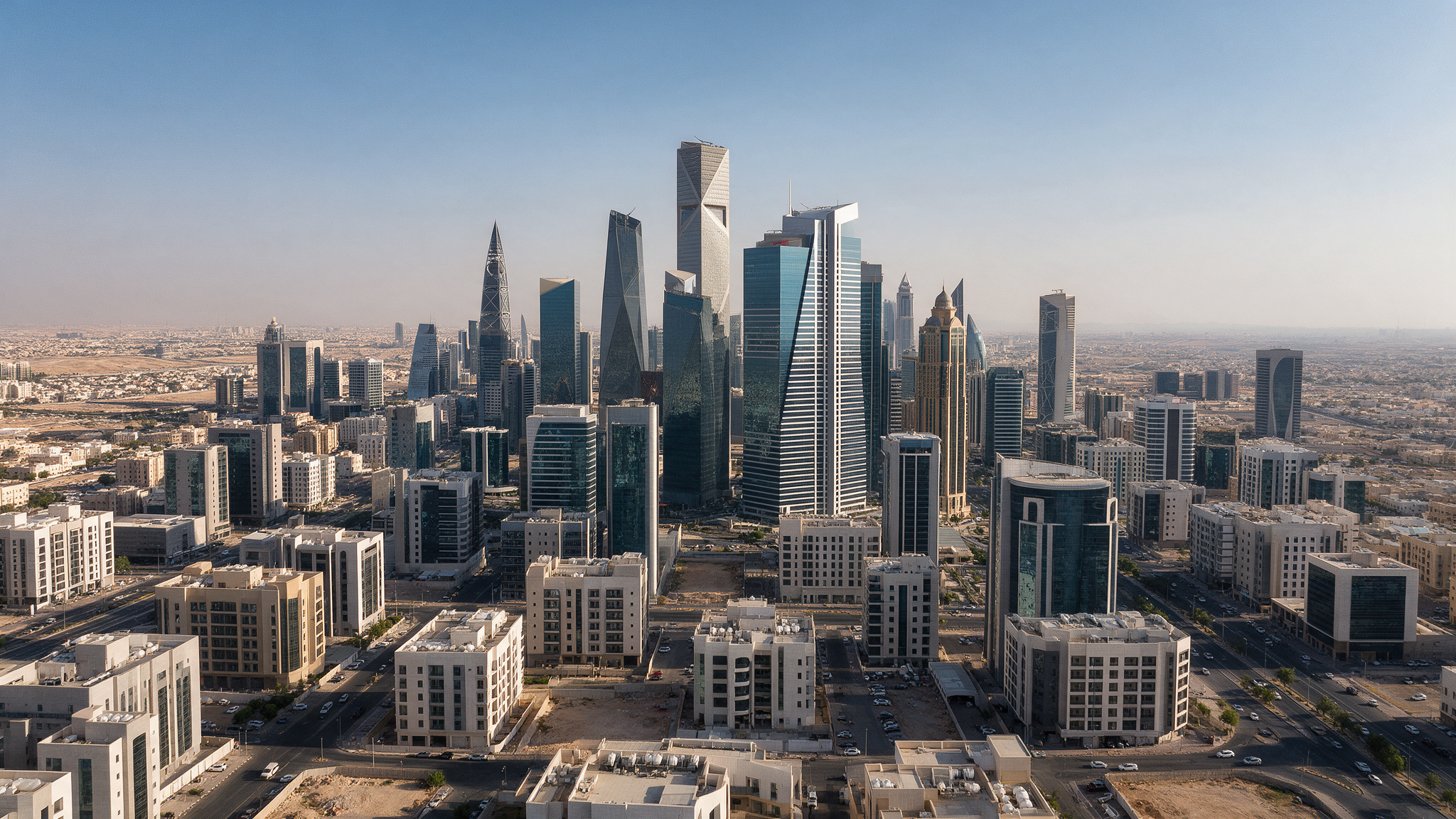
Saudi Vision 2030 is doing more than funding major projects. It is reshaping where demand is growing, how international companies enter the Kingdom, what large buyers expect from suppliers, and how businesses plan their local workforce. For foreign companies, the opportunity is significant, but the strongest market entries are built around commercial signals rather than headlines alone.
Key Takeaways
- Vision 2030 is expanding private-sector opportunity across technology, tourism, logistics, manufacturing, mining, healthcare, energy, and other non-oil industries.
- Saudi Arabia’s investment framework is becoming more transparent and investor-focused.
- Local presence can matter commercially, particularly for multinational companies pursuing certain government contracts.
- Saudization requirements are becoming more detailed by profession and sector.
- Project timing, procurement activity, regulatory updates, and localization rules are important signals to watch.
Vision 2030 Is Changing Where Growth Happens
Saudi Arabia’s 2025 Vision 2030 reporting showed the private sector contributing 51 percent of GDP, while non-oil activity continued to expand. GASTAT also reported that non-oil activities were the largest contributor to real GDP growth in the first quarter of 2026.
For companies considering Saudi market entry, this matters because demand is increasingly spread across a wider economic base. Opportunities now extend well beyond oil and construction into digital transformation, logistics, tourism, advanced manufacturing, healthcare, mining, financial services, and other growing industries.
Opportunity Is Broader Than the Mega-Projects
Vision 2030 is often associated with major developments, but foreign companies should also look at the supply chains forming around them. A tourism destination, industrial zone, logistics hub, data center, or manufacturing program can create secondary demand for technology, consulting, recruitment, facilities management, cybersecurity, engineering, training, and finance.
That makes Saudi Arabia business expansion relevant even for companies that will never bid directly on a flagship project. The practical question is which sectors are receiving sustained investment and what capabilities they will need over the next several years.
The Investment Environment Is Becoming More Formalized
Saudi Arabia’s updated Investment Law aims to facilitate investment establishment, protect investor rights, support transparent procedures, and provide equal treatment for local and foreign investors in similar circumstances, subject to applicable laws and restricted activities.
For foreign company setup in Saudi Arabia, the key is to start with the activity. Ownership, licensing, legal form, sector approvals, and operating requirements should match what the business will actually do. A structure that works for consulting may not suit manufacturing, regulated services, or government contracting.
Local Presence Can Affect Commercial Access
Vision 2030 also places greater emphasis on bringing decision-making, talent, and spending into the Kingdom. Saudi rules restrict certain government contracting with foreign companies that maintain their regional headquarters outside the Kingdom, subject to defined exceptions.
A RHQ license in Saudi Arabia is not a universal requirement for every foreign business, but it can be strategically important for qualifying multinational groups pursuing government-related opportunities. Companies should assess the rule against their customer base, group structure, and long-term regional plans.
Workforce Localization Is a Commercial Planning Issue
Saudization is becoming increasingly role-specific. In 2026, Saudi authorities implemented higher localization rates in areas including marketing, sales, procurement, and selected tourism professions. The Nitaqat program is also entering a new phase aimed at increasing Saudi participation across the private sector.
That makes Saudization compliance part of operating and workforce planning. Businesses should model which roles must be localized, when thresholds apply, how contracts are documented, and how hiring decisions affect establishment classification before recruitment begins.
Watch Project Sequencing, Not Just Announcements
Foreign businesses should track whether an opportunity is moving from ambition to procurement. Useful signals include budget allocations, tender releases, contract awards, new licensing categories, infrastructure completion, and hiring activity.
This is particularly important for businesses planning to establish a presence in Saudi Arabia around major projects. Reuters reported in 2025 that Saudi authorities were recalibrating and prioritizing spending as oil prices changed. The lesson for businesses is simple: validate the current commercial pipeline before committing people, premises, and capital.
What Foreign Businesses Should Do Before Entering
A strong entry plan should first answer who will buy from you, whether your customers are private or government-linked, whether your activity needs sector approval, what local team you need, and how localization or RHQ rules could affect the route to market.
The right Saudi business incorporation approach follows from those answers. Legal structure should support the revenue model, not lead it.
Build a Saudi Entry Plan Around the Market
Vision 2030 has created a deeper and more diversified opportunity set for international companies, but successful entry still depends on the right structure, license, operating model, and compliance plan.
Creative Zone Saudi Arabia supports foreign entrepreneurs and companies from market-entry planning through establishment and ongoing coordination. If you are evaluating company formation in Saudi Arabia, contact our team to map the setup requirements around your commercial goals and build a clearer route into the Saudi market.
